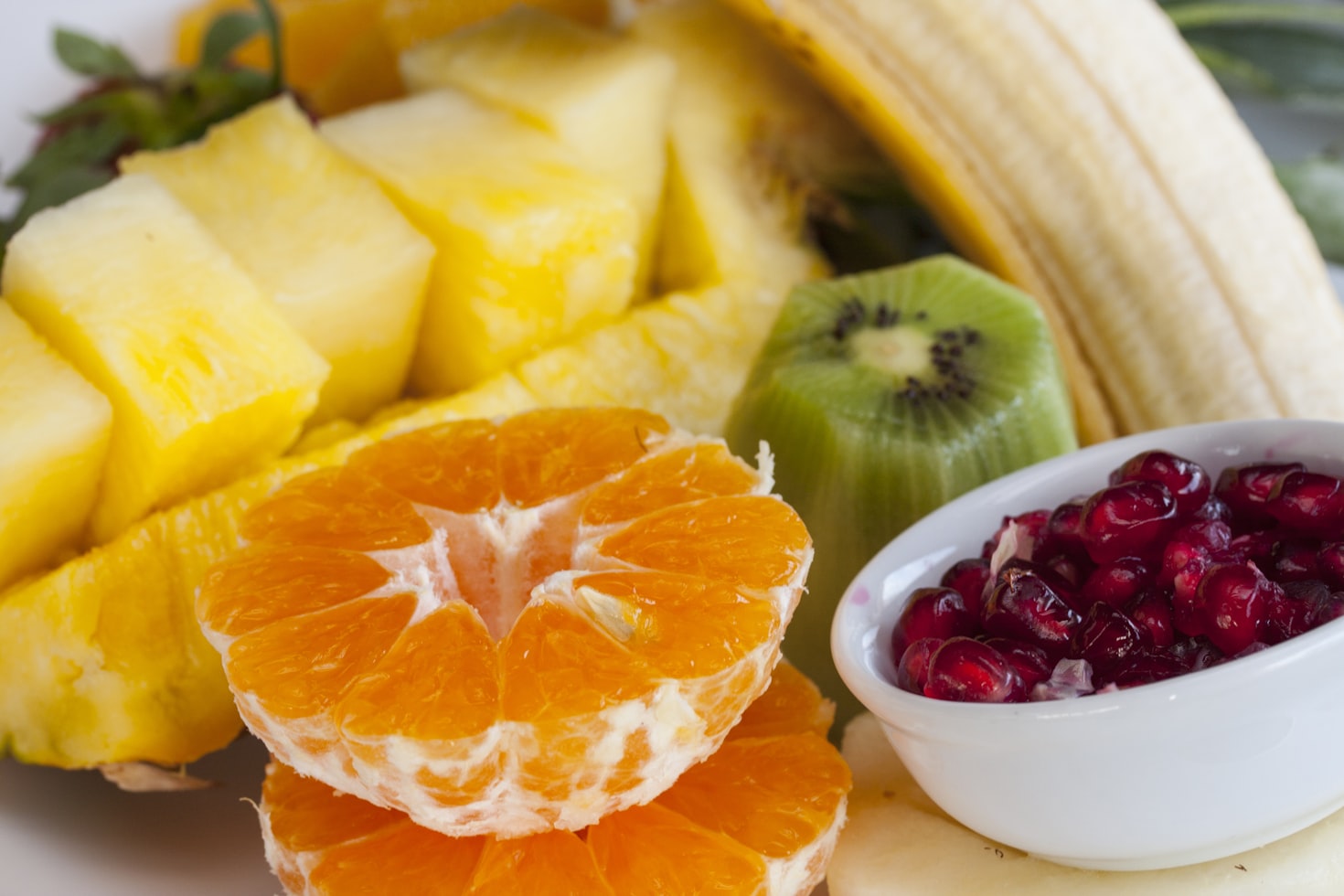
Fruit beer is no longer a curiosity kept at the edge of a brewery’s range. Drinkers now expect a vivid fruit character, a clean ingredient list and the same sensory experience from one batch to the next. That combination is difficult to achieve when the raw material changes with every harvest. Concentrates offer brewers a practical bridge between the variability of fruit and the precision of modern production.
Fruit beer has moved beyond the novelty shelf
The best contemporary fruit beers do not taste like standard beer with a sweet flavour added at the last minute. Fruit must work with the base style, not sit above it. Cherry can deepen the dark, roasted edge of a porter or sharpen a sour; peach can soften a wheat beer; red grapefruit can echo the resinous bitterness of a West Coast IPA. The creative opportunity is large, but so is the technical risk. Fresh fruit, purees and NFC juices can vary in sugar, acidity, colour and aroma, making a successful recipe surprisingly hard to repeat at commercial scale.
For that reason, many breweries are turning to fruit concentrates for beer. Removing part of the water reduces the volume that must be stored and dosed, while standardisation gives the brewing team clearer control over extract and flavour intensity. A defined Brix level and pH do not replace sensory judgement, but they give it a reliable frame. Instead of compensating for a different fruit lot in every brew, the brewer can work from a stable specification and make measured adjustments during bench trials.
This consistency also opens the door to more deliberate portfolio planning. A brewery can use one base beer to test several fruit directions, compare acidity variants and decide whether the finished product should feel refreshing, vinous, tropical or dessert-like. Classic berries remain useful, but a broader palette – including chokeberry, lingonberry, apricot, pineapple, mango and passion fruit – allows brewers to move beyond predictable seasonal releases. The concentrate becomes an ingredient in recipe architecture, not merely a shortcut to colour and sweetness.
Operational control matters as much as aroma
A fruit addition changes more than flavour. It can affect gravity, acidity, fermentation behaviour, haze, filtration and the stability of the package. This is why dosing should be calculated against the actual beer matrix rather than copied from a generic recipe. A tart concentrate may feel balanced in a malt-forward beer but aggressive in a lean sour base. A high-sugar addition can lift body and aroma, yet it may also create fermentable material that must be considered in the production plan. Pilot trials should therefore record dosage, Brix, pH, contact time, temperature and the sensory result after conditioning.
Pectin-free fruit concentrate is particularly useful where clarity and process efficiency matter. Pectin can complicate filtration and contribute to haze or sediment, while fibrous puree may settle in tanks, obstruct equipment and increase cleaning time. A smooth, pumpable concentrate is easier to meter into a repeatable process and causes less disruption on the production floor. It does not remove the need for microbiological control or a clear refermentation strategy, but it can reduce several variables that make fruit beer expensive to scale.
Flavoured Spirits supplies natural, pectin-free concentrates developed for craft breweries and larger industrial producers across Europe. The range covers more than 25 fruit profiles, with selected concentrates available in different acidity levels so brewers can match the ingredient to the recipe rather than rebuild the recipe around the ingredient. The company also provides samples, technical data and support for product validation, giving breweries a practical route from a small sensory trial to regular production.
A flavour strategy should begin with the finished beer
Choosing fruit by trend alone is rarely enough. The useful questions begin with the drinking experience: should the aroma arrive first, should acidity lead, or should the fruit extend the malt and hop profile? The answer determines not only the variety but also the acidity option, dosage and point of addition. Brewers should compare samples in the finished or near-finished base beer, because water trials cannot show how hop oils, alcohol, residual extract and carbonation will reshape the fruit impression.
Timing deserves the same attention. An earlier addition may integrate fruit more deeply but expose volatile aromas to fermentation, while a later addition can preserve a fresher top note and demand tighter control of microbial and refermentation risk. There is no universal dosing rule for fruit concentrate in beer. A robust procedure combines supplier specifications with bench trials, sensory panels and package-stability checks, then records the selected parameters as part of the production specification.
That discipline is what turns a striking pilot beer into a dependable product. When the fruit ingredient has a stable specification and the brewery documents how it behaves in its own process, creative work becomes faster rather than narrower. The team can refine intensity, build seasonal variants or move a recipe from a small fermenter to a larger tank without losing the flavour idea that made the first trial worth pursuing.